

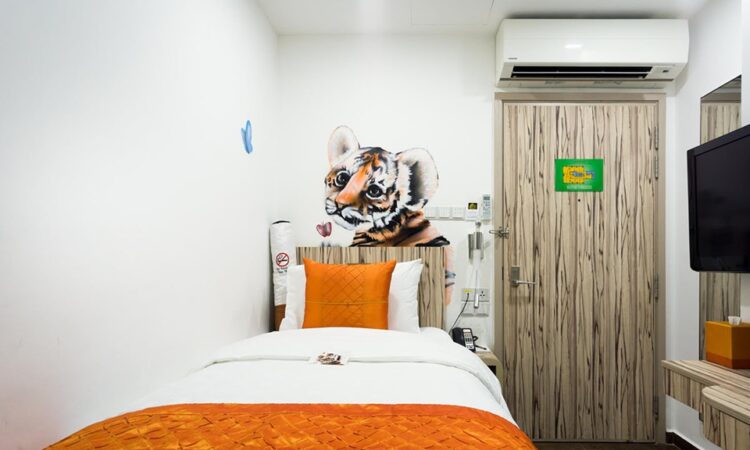

The procurement of hotel room supplies reveals far more about power structures and economic exploitation than most guests consider whilst enjoying temporary luxury. In Singapore’s hospitality towers, every amenity represents a web of global labour, environmental destruction, and profit maximisation disguised as customer care. These objects, from miniature shampoo bottles to synthetic bed linens, carry within them the brutal logic of late capitalism compressed into convenient, disposable packages.
The Mythology of Hospitality
Singapore’s hotel industry perpetuates fictions about service and comfort whilst systematically extracting value from workers and guests. The promise of seamless experience requires invisible labour performed by housekeeping staff who earn minimal wages whilst handling chemical-laden cleaning products and lifting mattresses that strain their bodies daily. Each towel represents hours of industrial washing using resources that could serve entire communities.
The positioning of guestroom amenities follows calculated psychology designed to encourage consumption rather than comfort. Miniature toiletries suggest luxury through scarcity whilst generating waste and profit margins. Single-use everything becomes the norm, training guests to expect disposal as hospitality rather than recognising it as environmental violence.
Labour Hidden Behind Closed Doors
Room attendants in Singapore’s establishments often work under conditions that would shock guests who leave five-star reviews about “impeccable service.” The physical demands of maintaining these spaces require workers to:
• Clean 15 to 20 rooms daily: Exhausting schedules that leave little time for thoroughness, whilst management demands perfection
• Handle hazardous chemicals: Bleach, ammonia, and industrial cleaners without adequate protective equipment
• Perform invisible labour: Restocking, arranging, and maintaining the illusion of effortless luxury
• Accept irregular schedules: Part-time hours that prevent access to benefits, whilst ensuring availability for peak periods
“The guest expects everything to appear magically refreshed, but magic requires someone’s body to perform the transformation,” observes one former housekeeping supervisor who requested anonymity due to industry retaliation against workers who speak publicly about conditions.
The Economics of Disposability
Singapore’s environmental consciousness conflicts with hotel industry practices that prioritise perceived luxury over sustainability. The average hotel room generates approximately 2.5 kilograms of waste daily, much from single-use amenities designed to signal affluence through planned obsolescence.
Consider the mathematics: a 300-room hotel replacing toiletries daily produces over 100,000 plastic containers monthly. These containers, manufactured in distant factories by workers earning subsistence wages, travel thousands of kilometres to provide guests with experiences they could replicate with refillable dispensers costing pennies per use.
Supply Chain Exploitation
Behind every thread of Egyptian cotton and each soap lies a global network of extraction designed to obscure its violence. The towels that feel luxurious against guests’ skin were likely woven by workers in South Asian factories earning wages insufficient to afford the products they create. The bamboo amenities marketed as sustainable often come from plantations that displaced indigenous communities.
The hospitality supply chain operates through deliberate opacity. Room supplies and guest amenities remain disconnected from their origins, allowing consumers to ignore the human cost of convenience. Guests remain unaware that their comfort depends on:
• Resource extraction: Cotton farming that depletes soil and water, whilst exposing agricultural workers to pesticides
• Manufacturing exploitation: Textile workers, predominantly women, earn below subsistence wages in unsafe conditions
• Transport pollution: Container ships burning bunker fuel to move luxury items across oceans
• Planned obsolescence: Products designed to break quickly, ensuring continuous consumption
The Ideology of Convenience
Hotels train guests to expect convenience that represents profound inconvenience for everyone else. The promise that “everything will be provided” requires an enormous infrastructure of exploitation to maintain the illusion of effortlessness. This ideology extends beyond comfort into psychological conditioning that normalises waste and inequality.
Room service amenities arrive individually wrapped, each package requiring energy to produce, transport, and dispose of. The multiplication of objects, shoe horns, sewing kits, and shower caps, serves psychological functions that convince guests they are receiving exceptional value whilst obscuring the true costs displaced onto workers and the environment.
Resistance and Alternatives
Some establishments in Singapore have begun experimenting with alternatives that reduce waste and exploitation, though these efforts often remain superficial without addressing underlying economic structures. Refillable dispensers eliminate plastic waste whilst reducing costs, though savings rarely translate into improved wages for cleaning staff.
Genuine transformation requires recognising that hospitality based on exploitation cannot produce authentic comfort. The most revolutionary hotel room amenity would be a living wage for every worker involved in its provision, from manufacture through maintenance.
The Reckoning
Every hotel stay represents a choice about what kind of world we wish to inhabit. The current system demands that guest comfort requires worker exploitation, environmental destruction, and global inequality. These relationships are not accidental but fundamental to how hospitality capitalism operates.
Understanding these connections does not require abandoning travel but rather demanding transparency about true costs and supporting establishments that prioritise worker welfare, environmental responsibility, and community benefit over profit extraction.
The next time you encounter those arranged amenities, remember the human hands that placed them there and the global systems that made their presence possible. True luxury might mean fewer objects, better conditions for workers, and hospitality systems designed around human dignity rather than profit.
Recognition of these realities represents the first step toward hospitality that serves everyone rather than extracting value from many to provide comfort for a few. Until then, every appointed room remains a monument to our collective failure to imagine better relationships between comfort, labour, and care. The transformation of Singapore’s hospitality industry depends not on sourcing different products but on fundamentally reimagining the system that connects human dignity to everyday objects we encounter, moving beyond the current regime of exploitation that defines how we understand and procure hotel room supplies.