

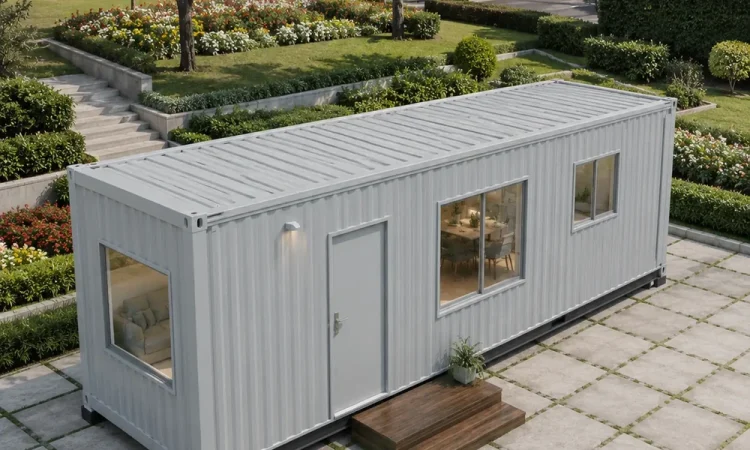

Ordering one container home is a project. Ordering forty is a supply chain. The moment you move from single units to bulk purchasing, small issues multiply. A slightly misaligned door frame is an annoyance on one home and a serious problem across a whole holiday park.
If you’re a developer, a distributor or a business planning staff housing, this guide covers the questions that protect you before money changes hands.
Who Buys Container Homes in Bulk?
Most wholesale buyers fall into a few groups. Property developers use them for glamping sites, holiday parks and compact rental housing. Companies use them for staff dormitories and site offices. Distributors buy in volume and resell to local customers, sometimes adding their own finishing work.
Each group cares about slightly different things. Developers want consistent appearance and quick installation. Employers want durability and low maintenance. Distributors want reliable supply and a product they can stand behind with their own customers.
Why Go Direct to the Factory?
Buying from a modular container homes wholesale factory rather than through several layers of agents usually gives you three advantages: better pricing at volume, direct communication about specifications, and one party responsible for production quality. The trade-off is that you need to manage that relationship carefully, especially if the factory is overseas.
The Questions That Matter Most
How many units can you produce each month?
This sounds basic, but it’s often skipped. If you need sixty units for a park opening in spring and the factory can produce twenty a month while already serving other clients, your timeline is in trouble before it starts. Ask about current workload too, not just maximum capacity.
What is the exact specification?
“Fully furnished container home” can mean very different things. Ask for a written specification that lists the frame steel, wall and roof panel type, insulation, window and door brands or grades, flooring, kitchen and bathroom fittings, electrical layout and finishes. Compare quotes line by line. That is the only fair way to compare prices.
Will every unit be the same?
Consistency is the whole point of wholesale. Ask how the factory controls dimensions, finishes and colour across a production run. Request photos of a recent large order if possible.
Can we see a sample first?
For any significant order, a sample unit is worth the cost. It lets you check build quality, test the layout with real furniture, and spot design changes before they’re repeated fifty times.
Which standards do your units meet?
Requirements for electrical systems, fire safety and structural loads differ between countries. Make sure the factory understands what your market expects, and get documentation you can show to local authorities.
Shipping Formats and Their Trade-offs
Container homes can ship in a few ways. Fully assembled modules arrive ready to place and connect. Flat-pack designs ship as panels and frames, so several units fit in the space of one. Foldable or expandable designs collapse for transport and open on site.
Flat-pack and foldable formats can cut freight costs a lot, which matters at wholesale volumes. They do need more work at the destination, so factor in local labour and any training your team might need.
Payment, Inspection and Risk
On a large order, structure payments around progress. A deposit to start production, a further payment after inspection, and the balance on shipping documents is a common pattern. Avoid paying everything upfront.
Independent pre-shipment inspections are well worth considering. An inspector can check dimensions, welds, insulation, wiring and finishes against your specification before the containers are sealed.
After the Units Arrive
Ask what support the factory provides once the homes are delivered. Will they supply installation drawings and guides? Can they send a technician for the first few units? Do they keep spare parts such as window seals, locks and electrical components?
If your project also needs communal buildings such as reception areas, laundries or shower blocks, check whether the same supplier can act as your prefabricated accommodation manufacturer for those too. Keeping everything in one system makes connections, finishes and maintenance simpler.
A Quick Pre-Order Checklist
- Written, itemised specification agreed by both sides
- Production schedule confirmed against current factory workload
- Sample unit inspected and approved
- Compliance documents for your market
- Payment terms linked to inspection
- Shipping format, packing method and delivery plan agreed
- Warranty terms and spare parts arrangement in writing
Final Thoughts
Wholesale container homes can be a smart way to build quickly and at a predictable cost. The buyers who do best are the ones who treat the first order as the start of a long relationship: clear specs, honest communication and careful checks at every stage. Do that, and unit fifty should look just as good as unit one.