


Customers form an opinion of a business before they walk through the door. The sidewalk, the entrance, and whatever is visible around the side of the building all contribute to that impression, and none of it is on the menu or the shelf.
Waste is the part of that picture most owners think about least. It also has an outsized ability to undo everything else, since a spotless dining room loses some of its effect when the walk in passes an overflowing bin.
Protecting the Impression Customers Form First
A tidy exterior signals competence. Customers rarely articulate it that way, but they register it immediately and extend the judgment to everything else about the operation.
The reverse works just as quickly. Bags stacked beside a container that filled up before the next pickup, a lid propped open, or the smell that comes with either one all say something about how carefully a place is run, whether or not that is fair.
For restaurants the stakes climb higher, because customers connect visible waste handling directly to food safety in a way they never quite do for a retail shop.
Choosing Consistency Over One-Off Pickups
Businesses generate waste on a rhythm, which is exactly why occasional arrangements do not serve them well.
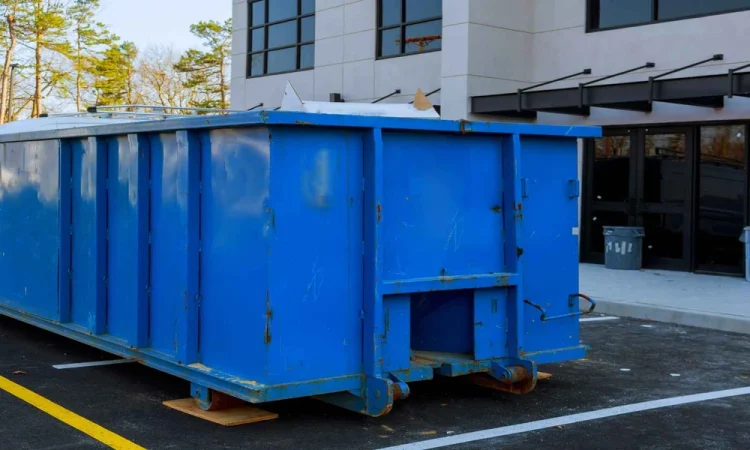
A permanent dumpster lease works differently from a temporary roll-off container brought in for a renovation or a cleanout. The container stays on site, pickups follow a set schedule, and the arrangement continues without anyone having to place an order or negotiate a delivery window.
That predictability is the actual value. A manager who never has to think about waste collection has that attention available for staffing, inventory, and customers, which is where it belongs.
Sizing the Container to Your Actual Volume
The most common mistake is guessing at capacity and living with the consequences either way.
A container too small overflows before the truck arrives, which creates exactly the scene you were trying to avoid. One too large means paying for space that goes out empty every week.
Frequency is the other half of the equation, and the two work together. A modest container emptied often can suit a busy café better than a large one collected rarely, particularly where food waste sits in the sun between pickups.
Seasonal businesses need a provider willing to adjust. Volume in a beach-adjacent restaurant or a shop near a stadium looks nothing in summer like it does in February, and an arrangement that cannot flex costs money in the slow months.
This is worth revisiting rather than setting once. A dumpster lease that fit the business at opening often stops fitting a year later, and a provider who reviews service levels periodically saves an owner from paying for a mismatch nobody noticed.
Meeting California Recycling Requirements
Waste separation in this state is a legal obligation rather than an environmental preference.
Businesses of sufficient size must arrange recycling service, and organic waste rules add a separate stream for food scraps and yard material. Restaurants and grocers feel this most directly, since food waste makes up such a large share of what they discard.
A capable provider handles the whole picture rather than a single container. Recycling collection, organics service, cardboard handling for shops receiving regular deliveries, and guidance on what belongs in which stream keep a business compliant without turning it into a research project for the manager.
Placing and Maintaining the Container Well
Where a container sits matters more than people expect.
It needs to be reachable by a truck, positioned away from customer sightlines and entrances, and situated so that odor does not drift toward a patio or an intake vent. Access for staff carrying waste out matters too, especially at night.
Simple habits handle the rest. Keeping lids closed controls both smell and pests, breaking down cardboard preserves capacity, and rinsing the area occasionally prevents buildup that becomes much harder to address later.
A provider who cleans or swaps containers periodically is worth asking about, since a container that has been in place for years develops problems no amount of lid discipline will fix.
Waste management works best when nobody notices it. The container gets emptied, the area stays clean, and the business gets on with the part customers actually came for.