

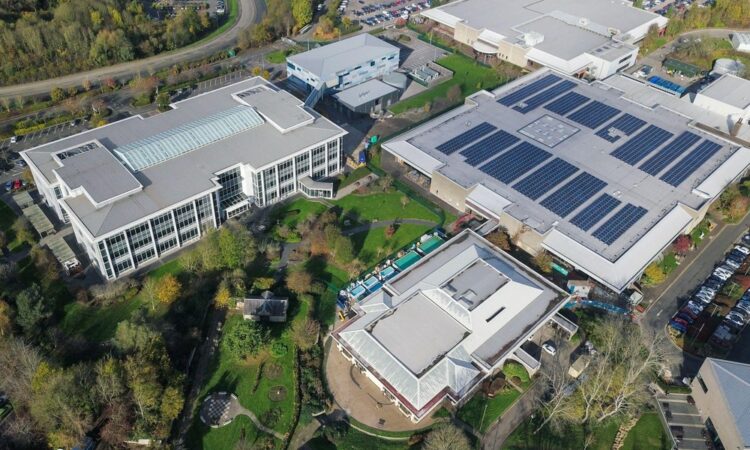

A company’s energy patterns rarely stay still. Workflows shift, equipment ages, and seasonal demands influence how resources move through the building. Solar panels for business introduce a steady source of renewable energy, but their impact becomes clearer when paired with accurate monitoring. The AMI meter, short for Advanced Metering Infrastructure meter, records real-time data that shows how consumption rises or falls throughout the day. With both systems working together, organisations uncover insights that guide smarter planning, highlight inefficiencies, and support long-term goals without guesswork.
1. Recognising the Mechanisms Underlying Daily Energy Routines
Every workplace follows its own rhythm. Lights come on before staff arrive, machines warm up during opening hours, and certain departments use more power at specific times. These shifts are easy to overlook until data begins painting the entire picture. Solar panels for business supply part of this demand, while the AMI meter captures precise readings that show where energy flows and how quickly it is consumed. By comparing production and usage side by side, companies refine routines and improve scheduling decisions that support smoother operations.
2. Revealing How Solar Generation Offsets Midday Consumption
The strongest sunlight often overlaps with busy work periods, yet most companies do not quantify this alignment. When solar panels for business operate at peak output, the AMI meter tracks how much of that energy is immediately used. It reveals how effectively solar offsets grid reliance during hours when air-conditioning loads and equipment usage increase. With this clarity, teams can time certain activities earlier or later to make better use of renewable production. These adjustments help organisations stretch the value of their solar investment throughout the year.
3. Showing How Weather Changes Influence Long-Term Trends
A bright week and a cloudy week tell very different stories about energy behaviour. Solar panels for business respond to outdoor conditions, and the AMI meter documents these fluctuations with accuracy. When companies review patterns across several months, they learn how seasonal shifts affect grid consumption, equipment reliance, and overall stability. It makes it easier to forecast budgets, as these insights reveal when to expect higher usage and when renewable generation picks up the load. Forecasting becomes grounded in data instead of assumptions.
4. Highlighting Equipment That Draws More Power Than Expected
Electrical equipment does not age evenly. One machine may stay efficient for years, while another slowly becomes more demanding. The AMI meter helps expose unusual spikes linked to older or poorly maintained devices. Solar panels for business add another layer to this analysis because they reveal whether equipment consumes more power during peak solar hours than it should. These findings encourage timely inspections and maintenance schedules, reducing the risk of costly downtime. By identifying these hidden patterns, companies avoid disruptions that would otherwise remain unnoticed.
5. Allowing Teams To Plan Energy-Heavy Tasks With Accuracy
Facilities often handle activities that require intensive energy use, such as running specialised equipment or preparing large production batches. When teams understand how solar output aligns with these tasks, planning becomes easier. The AMI meter shows precisely when consumption rises, and solar panels for business provide a renewable buffer that reduces pressure on the grid. This combination allows decision-makers to schedule demanding work during times when solar generation is high. The result is a more balanced approach to energy distribution without affecting productivity.
6. Strengthening Sustainability Commitments With Measurable Progress
Sustainability goals feel more achievable when progress is visible. Solar panels for business reduce carbon impact by generating renewable power on-site, yet organisations need measurable results to track improvement. The AMI meter supplies this evidence by recording how much solar energy is used each day and how it offsets overall demand. When teams review monthly reports, they see clear numbers that reflect real progress. It supports internal reporting, external disclosures, and long-term environmental planning built on genuine performance rather than estimates.
Conclusion
Solar energy becomes significantly more practical when paired with accurate monitoring. Solar panels for business provide renewable power, while the AMI meter delivers precise insights into how that power supports daily operations. Together, they reveal patterns that shape smarter decisions, from scheduling and budgeting to equipment maintenance and sustainability planning. Businesses that study these insights gain a clearer understanding of their energy behaviour and build strategies that support reliability, efficiency, and long-term growth.
Get in touch with Flo Energy Singapore to learn more about how the AMI meter and solar panels for businesses can improve your company’s energy strategy.