

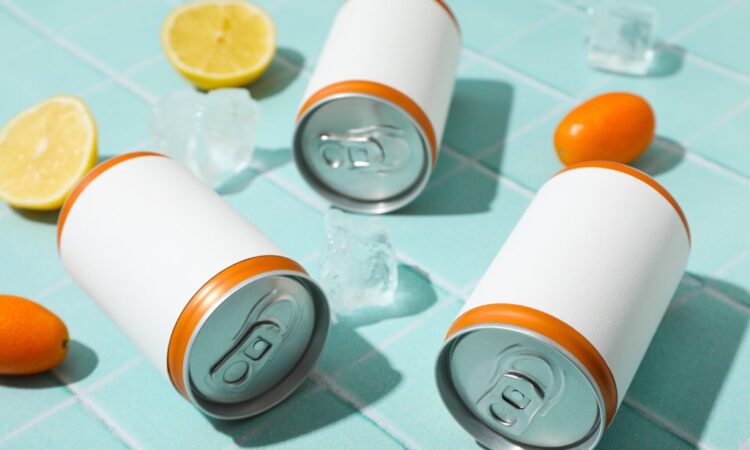

The pace of change in beverage packaging is accelerating, driven by a mix of sustainability mandates, logistics pressures, and consumer expectations. Brands are seeking ways to use less material without compromising performance, while ensuring products arrive tamper-free and taste exactly as intended. Companies such as Ashland Container are experimenting with new materials, retooled molds, and smarter closures that respond to these demands. Across the broader Beverage Packaging Industries landscape, innovation is converging around lighter formats, refillable systems, and recyclable components. The following sections highlight the key shifts shaping 2025 and how packaging choices influence brand identity, cost structures, and the overall consumer experience.
Lightweight Bottle Designs That Reduce Material Use and Waste
Lightweighting remains one of the most impactful levers for reducing a package’s environmental footprint and total cost. By carefully thinning sidewalls, re-engineering base geometries, and optimizing neck finishes, manufacturers can cut resin usage while preserving top-load strength. Advanced simulation and real-time line monitoring are helping teams push boundaries without risking collapse, paneling, or scuff-related failures. When executed well, lighter bottles lower transport emissions, improve pallet yields, and support a clearer sustainability story at shelf. The key is lightweighting with integrity, where iterative testing ensures consumer performance is never compromised.
Engineering levers for lightweighting
Designers are using structural ribbing, bias orientation, and tailored preform distribution to reinforce critical stress zones without adding grams. Material shifts to higher IV PET and strategic rPET blends help protect stiffness and barrier attributes for carbonated and still beverages alike. Base designs continue to evolve, with hybrid champagne bases or deep push-ups mitigating vacuum and carbonation loads during distribution. Lightweight necks paired with newer closure geometries allow additional savings, provided torque windows and seal integrity are validated across climates. In practice, the best lightweight bottles are not just thinner; they are smarter, with geometry doing more of the heavy lifting than raw material.
Tamper-Evident Closures That Strengthen Consumer Confidence
Tamper-evident solutions have moved well beyond simple tear bands to combine tactile assurance with traceability and high-speed line performance. Breakaway rings that drop visibly after first opening, induction liners that reveal intervention, and perforated shrink bands remain staples in multiple drink categories. New closure families focus on clean break performance, intuitive opening, and reduced plastic mass, ensuring consumer trust doesn’t come at a sustainability penalty. The arrival of tethered caps, mandated in various regions, also keeps closures attached for easier post-consumer recycling streams. All of these advances aim to reassure shoppers at a glance while minimizing false positives and line slowdowns.
From breakaway bands to digital traceability
Producers are blending physical tamper cues with data-enabled safeguards, including serialized lids and scannable liners that confirm product pedigree. QR and NFC features enable on-the-spot authenticity checks, support recalls, and deepen engagement for loyalty programs. Induction sealing remains essential for hot-fill and sensitive formulas, with peel strength tuned to reduce frustration while deterring reseal tampering. As Beverage Packaging Industries align on standards, universal symbol sets and consistent user experiences are helping shoppers recognize tamper states across categories. The result is a closure landscape that does more with less, linking safety, sustainability, and brand storytelling in a single twist.
Reusable and Refillable Glass Formats Gaining Popularity
Refillable glass is regaining momentum as municipalities expand deposit-return networks and brands seek visible circularity. Modern bottle pools favor standardized forms with robust shoulders and scratch-resistant coatings, extending service life through dozens of turns. Consumers increasingly appreciate glass’s flavor neutrality and premium hand feel, especially for craft beverages and low- or no-alcohol formats. Operationally, refillables reduce single-use waste and can lower long-term packaging costs once reverse logistics and washing are optimized. The perception of quality, combined with tangible environmental benefits, is drawing more brands into reusable packaging ecosystems.
Operational realities of refillable programs
Success hinges on reliable collection, cost-effective transport, and consistent washing standards that eliminate residual odors and biofilms. High-efficiency washers now support lower water and energy consumption, while inspection systems flag scuffs, chips, and compromised seals. Standardization across bottle shapes simplifies sorting and accelerates throughput, although many brands personalize through embossing, capsule colors, or label strategy. Retailer participation remains pivotal, from deposit handling at front-of-store to backroom storage that prevents cosmetic damage during staging. When these pieces align, refillable glass offers a durable blend of sustainability and brand equity that single-use options struggle to match.
Insulation and Barrier Features for Flavor Stability in Transit
Flavor stability relies on both thermal control and robust barrier properties that resist oxygen ingress, UV exposure, and carbonation loss. Long-haul distribution, warehouse temperature swings, and last-mile delivery can stress beverages, especially sensitive juices, RTDs, and functional drinks. Advances in PET barrier technologies—such as oxygen scavenging additives and plasma coatings—are enabling lighter bottles to protect taste as effectively as heavier predecessors. For premium applications, multilayer structures with EVOH or nylon can be tuned to product shelf life and regional climate data. Done right, barrier strategy ensures a first sip tastes like the lab-approved benchmark, regardless of transit miles.
Material science options for flavor protection
Brand owners are pairing improved closures with liners that secure torque retention and seal integrity under vibration and heat. Coatings that block UV help preserve delicate flavors and active nutrients without resorting to dark tints that obscure shelf visibility. Some lines are adding thin, recyclable secondary wraps for thermal dampening during peak heat waves and long dwell times in depots. Companies such as Ashland Container are trialing new scavenger formulations and plasma-deposited layers to hit shelf-life targets with less material. The trend is clear: combine smarter materials, precise line controls, and data-led logistics cues to safeguard taste with minimal environmental trade-offs.
Shape Innovation as a Tool for Brand Recognition
Distinctive bottle and can profiles are powerful assets in crowded aisles, where split-second decisions hinge on silhouette recognition. Designers are stretching creativity within pallet and case constraints, using asymmetric panels, tactile grips, and confident shoulders to stand apart. The challenge is maintaining line efficiency—shapes must run cleanly through rinsers, labelers, and packers without jams or scuffs. Ergonomic cues also matter, especially for on-the-go formats where grip security and one-handed use influence repeat purchase. When shapes strike the right balance, they drive memory, justify premium pricing, and elevate category presence.
Balancing distinctiveness with manufacturability
Engineering teams model how curves, ribs, and faceting affect top-load resistance, label adhesion, and case packing. Early collaboration with mold makers reduces downstream tooling revisions and helps keep unit costs predictable through volume shifts. E-commerce adds another filter: packages must fit protective mailers, resist compression, and present well in thumbnail images. As Beverage Packaging Industries share best practices, scalable shape libraries are emerging to blend uniqueness with proven line performance. In the end, form is a strategic lever, not ornamentation—one that communicates identity while enabling consistent, low-waste operations.
Labeling Technologies That Support Sustainability Messaging
Labels are doing more than carrying ingredients; they’re validating environmental claims, guiding disposal, and connecting shoppers with a brand’s mission. Wash-off adhesives enhance PET recycling yields, while paper or polyolefin labels matched to bottle substrates support mono-material recovery. Digital printing has matured, enabling short runs with vibrant color management and minimal setup waste. Brands are adopting responsibly sourced papers, bio-based inks, and thinner facestocks that cut grams without sacrificing print quality. With regulations tightening on green claims, labeling must balance inspiration with transparent proof points.
Designing labels for circularity and trust
Smart labels now integrate QR storytelling, life-cycle metrics, and localized guides for deposit and curbside rules. Serialization enhances traceability, supports recall readiness, and deters counterfeiting, particularly in premium RTD cocktails and functional beverages. Wash-off and cold-foil alternatives maintain premium aesthetics while easing container recovery at MRFs and bottle-to-bottle plants. As the Beverage Packaging Industries converge on harmonized recycling icons and callouts, shoppers get clearer, faster cues at the bin. The most effective labels deliver both beauty and utility, turning sustainability messaging into a practical roadmap rather than a slogan.
How Packaging Efficiency Reduces Freight and Storage Costs
Packaging choices directly shape logistics math—from pallet density to truck utilization and warehouse slotting. Efficient footprints reduce dead space, improve cube utilization, and lower fuel burn per case delivered. Lightweighting helps here, but so do stackable geometries, stronger corners, and consistent case dimensions that fit standard pallets precisely. In cold chains, compact designs maximize refrigerated capacity, trimming energy use and simplifying inventory rotation. Over time, these cumulative gains can fund further innovation, creating a virtuous cycle of savings and performance.
Measuring and optimizing the logistics footprint
Operations teams analyze load stability, dunnage needs, and damage rates to fine-tune case counts and layer patterns. Small changes—like neck finishes that allow tighter nesting or bases that accept slip sheets—unlock meaningful savings at scale. Collaboration with fillers, distributors, and retailers aligns pallet specs, reducing rework and improving cross-dock efficiency during peak seasons. Companies including Ashland Container are piloting lighter secondary packaging and right-sized corrugate to shrink both cost and emissions without risking product security. As the wider Beverage Packaging Industries adopt shared metrics for cube efficiency and damage reduction, best practices diffuse faster, and the entire supply chain benefits.