

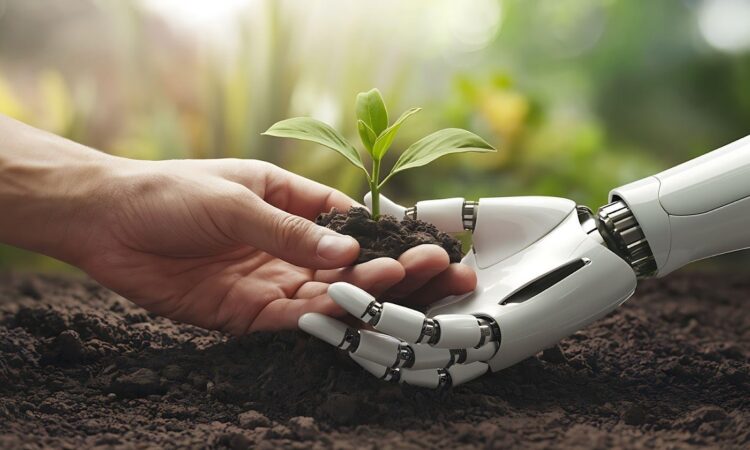

Engineers got stuck with a nasty problem. Products need to survive shipping, but packaging trash piles up everywhere. The old game plan worked; wrap everything in ten layers of plastic and foam, nothing breaks. Except now, oceans choke on plastic and landfills overflow. Engineers scramble to invent materials that keep products safe without trashing the Earth in the process.
The Packaging Problem We Created
America drowns in packaging waste. Blame online shopping if you want. Every tiny item shows up buried in materials like someone shipped a Fabergé egg. Your phone charger arrives in a box stuffed in another box, foam peanuts everywhere, plastic wrap on top of that. Nothing breaks. But that mountain of trash? Straight to the dump.
Landfills can’t handle much more. Packaging materials sit there for centuries, going nowhere. Ocean currents collect plastic into floating islands that poison fish and birds. Making new packaging burns oil and pumps out carbon. We traded convenience for an environmental nightmare that compounds daily. The system had to change, or we’d suffocate in our own trash.
Nature Shows the Way
Engineers finally started peeking at nature’s playbook. Birds don’t wrap eggs in foam; they use clever shapes that spread out impact forces. Coconuts plummet from palm trees and bounce, protected by hairy husks that rot away later. Bees build honeycomb that holds weight despite being mostly empty space.
Nature’s tricks work better than our clunky solutions. Curves handle impacts better than corners ever will. Empty spaces protect just fine if arranged right. Mother Nature ran these experiments for eons while we kept stuffing boxes with petroleum-based junk.
Smart Materials Change Everything
New materials pull off magic tricks. Mushroom roots grow into custom packaging shapes, work great, then rot into soil within months. Seaweed becomes wrap that vanishes in water without poisoning anything. Old paper gets squeezed into protective shells tough as any plastic.
According to the experts at Epsilyte, recyclable EPS finally breaks the dump-it-forever cycle by turning back into fresh packaging repeatedly. Inflated air pillows do foam’s job using basically nothing. Cardboard engineering reached the point where folded paper protects laptops and televisions. Who says green choices mean poor protection?
Design Beats Mass
Padding everything thick doesn’t work like people think. Clever shapes win every time. Engineers pinpoint exactly where stuff gets hit during shipping, then beef up just those spots. Computers test millions of options before anyone builds anything. Paper folding borrowed from origami creates armor from flat sheets. Pieces lock together without tape or glue but stay rock solid. Adjustable setups let shippers dial protection up or down as needed. Packages sized exactly right waste nothing. Half the material protects twice as good when someone actually thinks it through.
Systems Thinking Solves More
Why wait for packaging to save the day? Build tougher products from the start. Install equipment that doesn’t drop stuff constantly. Route shipments away from pothole-filled roads and blazing hot tarmacs. Ship regular routes in permanent containers instead of disposable boxes. Tracking data exposes where damage really happens, so fixes go where they count. Standard sizing kills the need for custom packages. Collection programs grab used packaging before it hits dumpsters. Better handling, reusable containers, and tough products reduce packaging, waste, and protection needs. Stack these improvements and waste plummets while protection improves.
Conclusion
Engineers figured out the impossible, protecting products while ditching the environmental destruction. Fresh materials, brain-over-brawn design, and connected thinking buried the wasteful past. Solutions keep getting better because companies discovered that killing waste kills costs too. Next-generation packaging will shield products better using practically nothing, ending the false choice between keeping stuff safe and keeping Earth livable. The answer exists today. We simply must stop doing things the foolish way.