

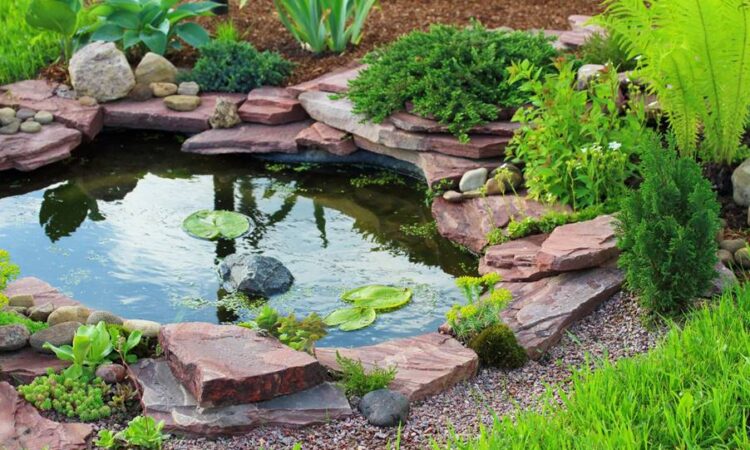

A calm pond offers pure therapy including the soft ripple of water, flashes of fish beneath the surface, or maybe a dragonfly stopping by. But keeping that water clear? That’s where most pond owners hit a wall. The truth is, clarity doesn’t come magically or by chance, it is the quiet work of a pond filter. That humble machine, tucked out of sight, keeps everything alive and balanced without any obligations.
Why Ponds Get Cloudy
An artificial pond is fragile. It looks natural, but it’s really a tiny, busy ecosystem that can go off-balance fast. Stuff like leftover fish food, fish waste, and fallen leaves settle in the water, which starts to rot. Rotting releases nitrates and phosphates, which increases algae growth. It hinders water purity and clarity.
In London a top-tier filtration system from Oase, when installed properly by a pond contractor like That Pond Guy, can make all the difference. It is the fix that keeps you from constantly fighting the algae issue.
The Three Pillars of Filtration
A serious pond filter isn’t just one thing. It involves three systems working in sync, each handling a different mess.
- Mechanical filtration comes first. It’s the net that catches all the visible junk like leaves, sludge, stray bits floating around. Water gets pushed through sponges, mats, or brushes and the large particles get trapped there. The improvement is instant—cleaner, clearer water right away.
- Biological filtration is next. It is the living part of the system. Inside the filter are surfaces like plastic bio-balls, ceramic rings, foams where beneficial bacteria set up colonies. As water flows through, those bacteria eat up the dangerous stuff: ammonia and nitrites. What is left turns into less toxic nitrates. This is the nitrogen cycle at work, and without it, fish don’t last long. It is invisible but vital.
- Finally, there is the UV sterilization process that handles the tiny single-celled algae that make the water look like green soup. The pond pump sends water past a UV light. The light jumbles with the algae’s DNA, binding them together allowing the mechanical filter to catch them. In a few days, you will find the soupy water sparkle again.
Picking the Right System
The right filter depends on the ponds:
- Size
- Depth
- Total water volume
- How many fish you have got
The good rule is to always buy a pond filter rated for greater volume than your actual pond size. It ensures to handle the occasional spikes in organic matter. Over-filtering is fine, while under-filtering ends in frustration.
Maintenance is a MUST
No filter is truly “set and forget.” Maintenance is not tedious; just some light work is involved.
- Rinse the sponges, but do it in old pond water, not tap water (chlorine kills the good bacteria).
- Backwash pressure filters when they need it.
- Check that UV light as it weakens with time.
The right kind of pond filtration system helps to keep water crystal clear and healthy for the aquatic life thriving in it!