

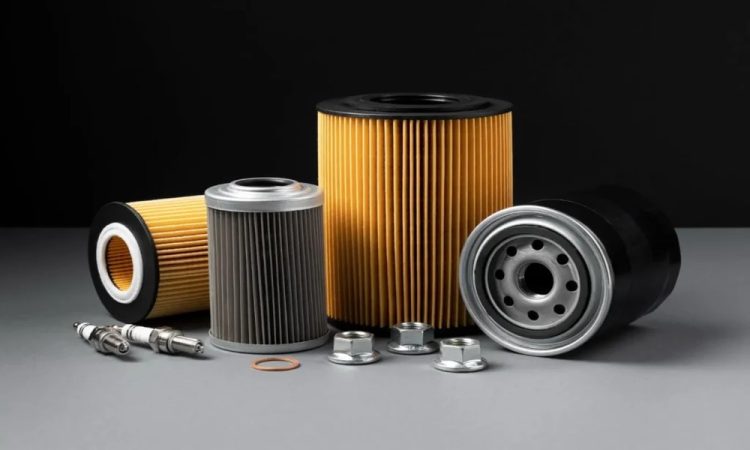

Compressed air systems are widely used across industries including manufacturing, automotive, food production, healthcare, and engineering. While compressors play a central role in generating compressed air, maintaining clean air quality is equally important for system efficiency and equipment protection.
A properly maintained air filtering system helps remove contaminants, protect equipment, and improve the reliability of compressed air operations.
Why Air Quality Matters in Compressed Air Systems
Compressed air naturally contains contaminants such as dust, dirt, oil particles, and moisture. Without effective filtration, these contaminants can circulate through the system and damage sensitive equipment.
Poor air quality can lead to:
- Reduced equipment lifespan
- Production downtime
- Increased maintenance costs
- Product contamination
- Lower energy efficiency
- Reduced system performance
Air filtration helps ensure compressed air remains clean, safe, and suitable for industrial use.
How an Air Filtering System Works
An air filtering system removes harmful contaminants from compressed air before it reaches machinery, tools, or production equipment.
Different filters are designed to target different types of contaminants, including:
- Dust particles
- Oil aerosols
- Moisture
- Vapours
- Microorganisms
The type of filtration required depends on the industry, application, and air quality standards involved.
Particulate Filters
Particulate filters remove solid particles such as dust, rust, and dirt from the compressed air supply.
These filters help protect:
- Pneumatic tools
- Valves
- Production equipment
- Automation systems
Without filtration, small particles can cause premature wear and reduce operational efficiency.
Oil Removal Filters
Oil contamination can damage products and equipment, especially in industries requiring high air purity.
Oil removal filters are commonly used in:
- Food manufacturing
- Pharmaceutical production
- Electronics manufacturing
- Healthcare environments
These filters help maintain cleaner compressed air and support compliance with industry standards.
Moisture Separation
Compressed air systems naturally generate condensation. Excess moisture can lead to corrosion, bacterial growth, and equipment failure.
Moisture separators and dryers help reduce water content within the system and protect downstream equipment.
The Benefits of Proper Air Filtration
Investing in effective air filtration offers several operational advantages.
Improved Equipment Reliability
Contaminants can damage internal compressor components and downstream machinery over time. Clean air helps reduce wear and extend equipment lifespan.
Lower Maintenance Costs
By preventing contamination-related damage, filtration systems can reduce the frequency of repairs and maintenance interventions.
Better Product Quality
In industries such as food, pharmaceuticals, and electronics, air quality directly impacts product integrity. Clean compressed air helps minimise contamination risks during production processes.
Increased Energy Efficiency
Blocked or poorly maintained filters can restrict airflow and force compressors to work harder. Proper filtration maintenance helps maintain efficient airflow and reduce energy consumption.
Industries That Rely on Clean Compressed Air
Many sectors depend heavily on effective air filtration systems.
Manufacturing
Manufacturers use compressed air for automation systems, production equipment, and pneumatic tools.
Food and Beverage
Food processing facilities require high air purity standards to avoid contamination during packaging and production.
Pharmaceutical Production
Pharmaceutical companies rely on clean compressed air to maintain sterile production environments.
Automotive and Engineering
Automotive workshops and engineering operations use filtered compressed air for spray painting, tools, and machinery operation.
Signs Your Air Filtering System May Need Attention
Air filters require regular inspection and replacement to maintain effectiveness.
Reduced Airflow
Restricted airflow can indicate clogged filters or excessive contamination buildup.
Pressure Drops
Pressure loss within the system may suggest filters are becoming blocked.
Increased Energy Costs
When filters become dirty, compressors may consume more energy to maintain pressure levels.
Visible Moisture or Oil
Moisture or oil appearing in downstream equipment may indicate filtration problems or saturated filters.
The Importance of Regular Maintenance
Even the best filtration systems require routine maintenance to perform effectively.
Maintenance may include:
- Replacing filter elements
- Checking pressure differentials
- Inspecting for leaks
- Monitoring moisture levels
- Cleaning housings and components
Preventative maintenance helps avoid expensive failures and supports long-term system efficiency.
How Filtration Supports Workplace Safety
Contaminated compressed air can create safety risks in industrial environments.
Effective filtration helps reduce hazards associated with:
- Oil contamination
- Moisture buildup
- Equipment failure
- Airborne particles
Maintaining clean compressed air contributes to safer and more reliable working conditions.
FAQ
Why is an air filtering system important?
An air filtering system removes contaminants from compressed air, helping protect equipment, improve efficiency, and maintain air quality standards.
What contaminants do air filters remove?
Air filters can remove dust, dirt, oil particles, moisture, vapours, and microorganisms depending on the filter type.
How often should compressed air filters be replaced?
Replacement intervals vary depending on usage, operating conditions, and manufacturer recommendations. Regular inspections are important.
Can dirty filters increase energy costs?
Yes. Blocked filters restrict airflow, forcing compressors to work harder and consume more energy.
Which industries require clean compressed air?
Industries such as manufacturing, food production, pharmaceuticals, healthcare, automotive, and electronics commonly require filtered compressed air.
Conclusion
Compressed air quality plays a vital role in system performance, equipment protection, and operational reliability. An effective air filtering system helps remove harmful contaminants, improve efficiency, reduce maintenance costs, and support safer industrial operations.
By investing in proper filtration and regular maintenance, businesses can protect valuable equipment while ensuring cleaner, more reliable compressed air throughout their operations.