

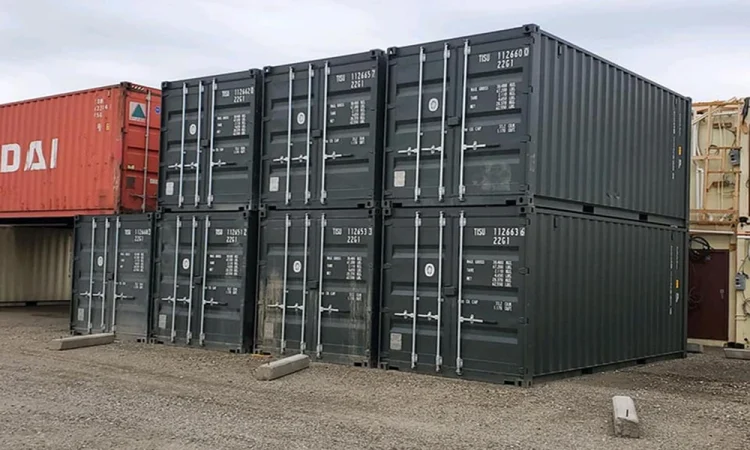

You already understand containers. What you want is a clear path to the right choice. I help buyers and builders think through storage and build-out needs across tough climates, and I base my advice on real costs, risk, and uptime. If you plan to compare prices or source new shipping containers for sale, this guide gives you a practical way to decide.
I focus on what matters day to day. Structural life. Weather performance. Security. Mod plans. Delivery and placement. Resale. You will leave with a simple checklist and a confident answer for your site, timeline, and budget.
Start With Your Use Case
Match the container to the job before you look at price.
- Residential storage during a remodel or move
- Business inventory and seasonal overflow
- Construction tools and materials on rotating sites
- Farm and ranch supply protection through snow and wind
- Long-term shop, office, or retail conversion
If you expect heavy use, frequent access, or a conversion project, lean new. If you want budget storage with a fast drop, used can meet the need.
What You Gain With New Containers
New containers, often called one-shipment units, arrive in strong shape with very light wear. Here is what that means for you.
- Strong structure with straight walls and square doors
- Clean roof panels that shed water and snow
- Fresh door gaskets that seal tight
- Clean floors without patches or oils
- Smooth locking gear that opens and closes without force
- Low maintenance over many seasons
- Better base for paint, windows, doors, insulation, and electrical
- Higher resale value and wider buyer pool later
If you plan to add windows or doors, or you need a clean look for customer areas, new pays off in time and finish quality.
Where Used Containers Shine
Used units cut cost and still deliver secure storage. You trade looks for price. With a careful inspection, you can get strong value.
- Lower purchase price
- Good security with lockable doors
- Solid performance for basic storage needs
- Cosmetic dents and surface rust that do not stop function
- Flexible for farms, job sites, and short projects
If your top goal is cost and you can accept wear, used is a smart path.
Cost of Ownership: Simple Math That Guides the Choice
Look past the sticker and think in total cost.
- Purchase price
- Delivery and placement
- Site prep or blocks
- Repairs and seals over time
- Mod work and finish labor
- Resale value at exit
New often costs more upfront but can reduce repairs and labor during build-out. Used can win for short timelines or basic storage where looks and perfect doors do not matter.
I suggest you write two quick totals:
- New plan: price plus delivery plus planned mods minus expected resale
- Used plan: price plus delivery plus expected repairs plus planned mods minus expected resale
Pick the lower total that still meets your risk and schedule needs.
Inspect Like a Pro
If you buy used, inspect in person if you can. If you buy new, confirm you will get the unit you selected.
Walk these points:
- Roof: stand inside, close the doors, look for daylight and water marks
- Walls: look for deep dents, creases, or bowed panels
- Floor: check for rot, soft spots, stains, or screw holes
- Doors: swing both doors, test the locking rods and handles, confirm a smooth close
- Seals: inspect gaskets for cracks or gaps
- Rust: surface rust is normal, flaking rust near seams is a warning
- Frame: check corner posts and bottom rails for bends or weld issues
If any item needs repair, price that in or move on.
Delivery, Site Fit, and Weather
A good container can still fail you if delivery falls short. Plan for truck access and set the site right.
- Clear space: about 70 feet for a 20 foot unit, about 100 feet for a 40 foot unit
- Firm ground: gravel pad or timbers to keep the container level
- Door swing: leave space for both doors to open wide
- Drainage: slope away from the doors to prevent ice and puddles
Montana wind, snow, and temperature swings punish weak seals and bent doors. This is where new units help. If you buy used, pick one with strong gaskets and straight doors.
Planning Mods or a Conversion
If you plan to insulate, frame, wire, or add doors and windows, a clean shell saves time and improves the final fit.
New helps with:
- Fewer wall waves to fight during framing
- Better paint bond for a clean finish
- Tight doors that keep out dust and moisture during the build
Used can still work if you accept extra prep time and some patch work. Price that labor with care.
Why I Recommend MoCan Containers
If you want a dependable source in Montana, look at MoCan Containers. They keep one of the largest inventories within 300 miles and they inspect units for weather performance and lockable security. They offer both new and used options in 20 foot and 40 foot sizes, plus rentals for short or long needs. Their team delivers with tilt-bed trailers and can place containers in tight spots across Billings, Bozeman, and the surrounding region.
Two strengths set them apart in practice:
- You can inspect and select the exact unit at their yard. The same unit shows up at your site. That reduces surprises.
- Their containers hold up to Montana conditions, with tight seals and solid roofs that handle snow and wind.
If you want compact storage, their 20 foot units fit small sites yet hold a full room of gear. If you need volume, their 40 foot units carry big projects and commercial loads. Rental rates start at $150 per month for 20 foot units and $190 for 40 foot units, which gives you a clean way to bridge a project without a full purchase.
Quick Decision Guide
Choose new if:
- You plan a shop, office, or retail conversion
- You need a clean look for customer areas
- You want tight doors, strong seals, and low upkeep
- You want strong resale and an easy exit later
Choose used if:
- You need budget storage fast
- You accept scuffs, dents, and faded paint
- You plan short timelines or a single project
- You can inspect and verify no leaks or frame issues
Final Take
Both new and used containers can serve you well. Your choice turns on risk, finish needs, and total cost across the time you plan to use the unit. If you want clean, tight, and ready for mods, pay for new and save time and headaches. If you want basic storage at a lower price, a solid used unit will do the job.
If you want local stock, reliable delivery, and the chance to pick your exact unit, MoCan Containers is a strong option. Start with your use case, run the quick math, inspect the shell, and choose the path that matches your plan.