

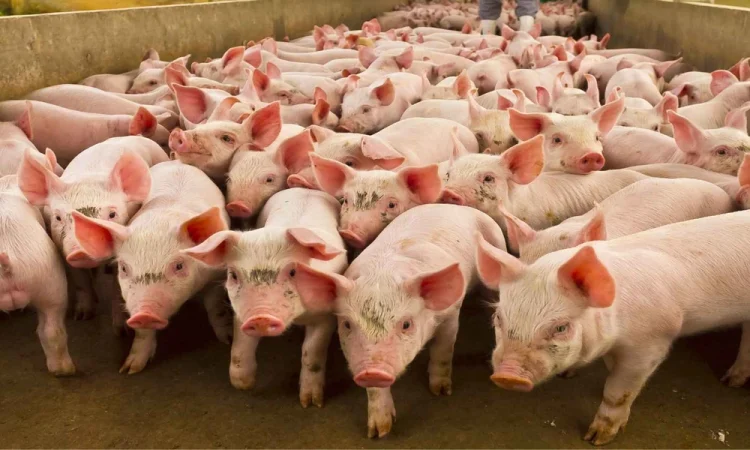

There are few sights more satisfying to a farmer than a healthy herd or flock. Animals grazing contentedly, moving with energy, and growing as they should are the quiet reward for a great deal of hard work. When an illness moves through the barn, that picture can change fast, and getting animals back to their vibrant selves becomes the top priority.
Bacterial infections are among the most common threats a livestock operation faces. Left unchecked, they spread, drag down productivity, and put the whole farm at risk. This is where a trusted antibiotic like penicillin G potassium, used under proper veterinary guidance, earns its long-standing place in animal care.
Recognizing When Infection Strikes
Bacterial illness rarely announces itself politely. An animal that was lively yesterday may suddenly stand apart from the group, lose interest in feed, or simply look off in a way an experienced eye catches immediately.
The signs vary by species and by the infection involved, but the pattern is familiar to anyone who works with animals. Reduced appetite, low energy, a dull coat, and a general withdrawal from normal behavior all suggest that something is wrong beneath the surface.
Acting quickly matters. The sooner a sick animal is examined and diagnosed, the sooner the right treatment can begin, and the less chance the problem has to spread through the rest of the herd.
Understanding How the Antibiotic Works
Penicillin G potassium belongs to a well-established family of antibiotics that have supported animal health for generations. It works by attacking the structure bacteria need to survive, stopping susceptible organisms from building the walls that keep them intact.
Once those defenses fail, the bacteria cannot hold together, and the infection begins to clear. The animal’s own immune system, no longer overwhelmed, can finish the job and return the body to balance.
The potassium form is valued for how readily it dissolves and goes to work. That responsiveness helps a treated animal turn the corner, often showing visible improvement within a short window when the medication is matched correctly to the infection.
Choosing a Trusted Source of Medication
The quality of the medication matters enormously, which makes the supplier a real part of the decision. Consistent potency, careful manufacturing, clear labeling, and dependable availability all determine whether a treatment performs the way it should.
This is where working with an established maker pays off. A trusted company such as US Vet has produced veterinary pharmaceuticals for decades, backing its products with strict quality controls and clear usage guidelines that give farmers and veterinarians confidence in what they are administering. That reliability is not a small thing when an animal’s recovery is on the line.
Sourcing from a reputable name also means better support. A serious supplier stands behind its products and helps ensure the medication is used correctly, which protects both the animal and the farm.
Protecting the Whole Farm’s Health
Treating one sick animal is really about protecting all of them. A single untreated infection can move through a barn quickly, so clearing it promptly safeguards the entire operation.
Responsible use is central to that protection. Following your veterinarian’s direction, respecting the required withdrawal times before milk or meat enters the food supply, and completing the full course as prescribed keep both your animals and your customers safe. Careful, judicious use also helps preserve these antibiotics for the future by slowing the spread of resistance.
The reward for that diligence is the very thing every farmer works toward. Animals return to their energetic, healthy selves, productivity recovers, and the farm settles back into its natural rhythm.
Keeping livestock thriving is a blend of attentive care, quick action, and the right tools used wisely. With a trusted antibiotic on hand and sound veterinary guidance behind it, a farmer is well equipped to meet infection head-on and keep the herd or flock in the vibrant health that makes the whole operation flourish.