

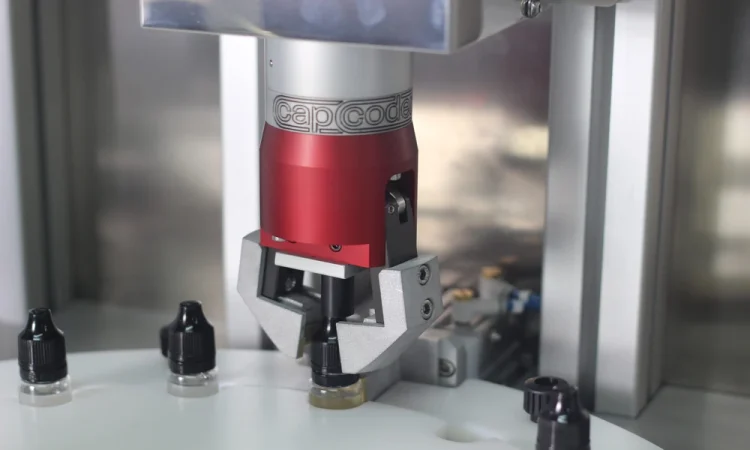

Buying a capping machine involves more than comparing rated speed and price across a few vendor quotes, since the manufacturer behind the equipment shapes how well it adapts to a business’s actual product range, how quickly problems get resolved once the machine is running production, and how much flexibility the line retains as packaging requirements change over time. Businesses shopping for capping machine manufacturers benefit from a more structured evaluation than simply picking the lowest bid.
Capping Needs Vary More Than Buyers Expect
It’s easy to assume capping is a relatively generic process, but the specific requirements vary considerably depending on cap type, container material, product sensitivity, and production volume, and a manufacturer who hasn’t built equipment for a business’s particular combination of these factors may underestimate the engineering involved. A business filling glass containers with metal screw caps for a food product faces different sealing, torque, and contamination-control requirements than one applying plastic snap caps to flexible plastic bottles for a household chemical. Buyers should describe their specific application in detail when approaching manufacturers rather than asking generically for a capping machine, since a vague request tends to produce a vague and less useful proposal in return.
Flexibility Across Cap Formats and Container Shapes
Product lines change over time, and a capping machine purchased for today’s exact container and cap combination may need to handle a different format within a few years as a business’s product range evolves. Manufacturers differ considerably in how easily their equipment adapts to new cap types or container shapes, with some machines requiring extensive mechanical rework for even minor changes and others built with adjustable guides, interchangeable capping heads, or programmable settings that accommodate a wider range without major retooling. Asking a manufacturer directly how their equipment handles a format change, and what that changeover typically costs and takes in terms of time, reveals a lot about how well the machine will serve a business over its full operating life rather than just its first production run.
Integration With Existing Conveyor and Filling Equipment
A new capping machine rarely stands alone, and it needs to interface correctly with the filling station ahead of it and whatever conveyor, labeling, or palletizing equipment follows it on the line. Manufacturers experienced in working alongside equipment from other vendors tend to handle this integration more smoothly than those who only build and support their own complete systems, since real-world packaging lines are frequently assembled from equipment purchased over several years from different suppliers. Reviewing capping systems designed to integrate into existing packaging lines rather than only complete standalone setups gives a business more flexibility when the new capping station has to slot into infrastructure that predates the purchase decision.
Trial Runs and Product-Specific Testing
A manufacturer’s willingness to run a trial using a buyer’s actual containers and caps says a great deal about their confidence in the equipment and their understanding of how it performs outside idealized test conditions. Cap materials, container tolerances, and even ambient temperature can all affect how consistently a capping head seats and tightens a closure, and issues that don’t show up during a manufacturer’s internal testing with their own standard test containers sometimes appear immediately once a buyer’s actual packaging runs through the machine. Buyers should treat a manufacturer’s reluctance to arrange this kind of testing as a signal worth investigating further, rather than proceeding on the assumption that a general product demonstration is an adequate substitute.
Pricing Structure and Long-Term Value
Comparing capping machine manufacturers purely on the quoted purchase price misses a large part of what determines value over the equipment’s working life, since consumables like capping chucks, torque clutches, and change parts for different cap sizes carry their own ongoing costs that vary considerably between manufacturers. A lower upfront price sometimes comes paired with proprietary change parts priced well above what a comparable manufacturer charges, which erodes the initial savings within the first few years of operation. Buyers should request a breakdown of expected consumable costs and typical change part pricing alongside the base machine quote, and weigh this against how often the business expects to run format changeovers, since a manufacturer offering a slightly higher purchase price but lower ongoing part costs often works out cheaper for a business running frequent product changeovers over several years.
Ongoing Technical Support and Parts Supply
Capping heads, torque clutches, and other wear components need periodic maintenance and eventual replacement, and a manufacturer’s ability to supply parts quickly and provide responsive technical support becomes increasingly important the longer a machine stays in service. Businesses should ask about typical turnaround times for both routine parts orders and urgent breakdown support, since a capping station going down mid-shift with no clear path to a fix creates a production stoppage that affects the entire line, not just the capping station itself. Manufacturers with local presence or established local service arrangements generally offer a meaningful advantage here over those requiring parts and technical support to be arranged from overseas.
Selecting among capping machine manufacturers ultimately requires looking past the headline specifications on a quote and evaluating how well a manufacturer understands a business’s specific application, how flexible their equipment is as product lines evolve, and how reliably they support the machine once it’s running production. Buyers who invest time in this evaluation upfront, including requesting trial runs and asking pointed questions about integration and support, tend to avoid the costly surprises that come from discovering a mismatch only after the equipment is already installed and running.