

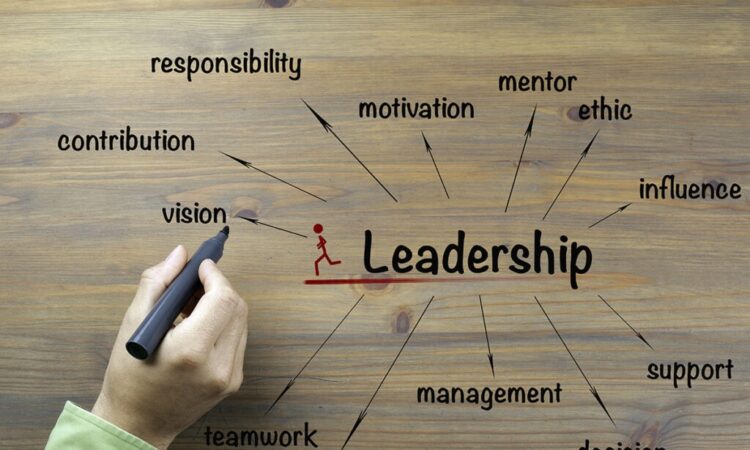

The role of a leader has never been simple. The modern environment is complex and full of rapid shifts. Each day offers new situations that demand focus and clarity. Teams look for guidance that feels strong and steady. Leaders need skills that can hold people together through challenge. Without them energy fades and direction becomes uncertain. With them progress flows and confidence grows. The right toolkit equips leaders to face today’s challenges with purpose.
Emotional Intelligence as a Foundation
A team thrives when feelings are seen and valued. Leaders who show awareness build trust that lasts. Short talks can heal misunderstandings before they expand. Small actions like listening deeply foster strong connection. When emotions are respected conflicts lose their power quickly. Longer practices of genuine recognition strengthen bonds that create lasting unity across groups. A culture shaped by emotional intelligence reduces stress and brings steady comfort to the workplace. Leaders who embrace this skill provide safety that allows people to shine.
Adaptability in Uncertain Times
Uncertainty surrounds every modern organization at some level. Sudden shifts alter goals and unsettle processes. Leaders cannot resist change with rigid structures that block movement. Quick adjustments make transitions smoother for anxious teams. Calm energy spreads when flexibility becomes part of daily practice. Longer habits of adaptability transform disruption into opportunities for growth and renewal of purpose. Adaptability shows people that change is not fear but a pathway toward stronger results. A leader who adapts models courage that inspires the entire group.
Clear Communication as a Daily Practice
Communication builds the bridge that connects all efforts. Clear words prevent wasted energy and repeated mistakes. Leaders who explain directly remove clouds of doubt. Short messages carry impact when delivered with sincerity. Listening actively creates spaces where voices are valued. Longer practices of consistent communication allow ideas to circulate and build fresh innovation. When words are open and respectful trust grows between colleagues across diverse backgrounds and roles. Leaders who master communication shape environments where cooperation feels natural and sustainable.
Decision Making With Balanced Judgment
Strong leadership shows in the choices made each day. Quick responses keep momentum alive during difficult periods. Yet reckless speed can break trust and direction. Careful reflection ensures stability and reduces harmful errors. Teams depend on balanced decisions that create a sense of order. Longer patterns of thoughtful judgment help people trust that leadership will not fail them.
Conclusion
Leaders need stability-building talents. The emotional intelligence develops trust and understanding. Adaptability helps in unpredictable times. Order and efficiency come from clear communication. Balanced judgement ensures quick, smart decisions. Vision drives activity towards long-term goals. Each talent helps create resilient leaders. These techniques turn little effort into sustained success for leadership development. Teamwork thrives under skilled leaders. Modern leaders who live these ideals see opportunities for growth in every obstacle.